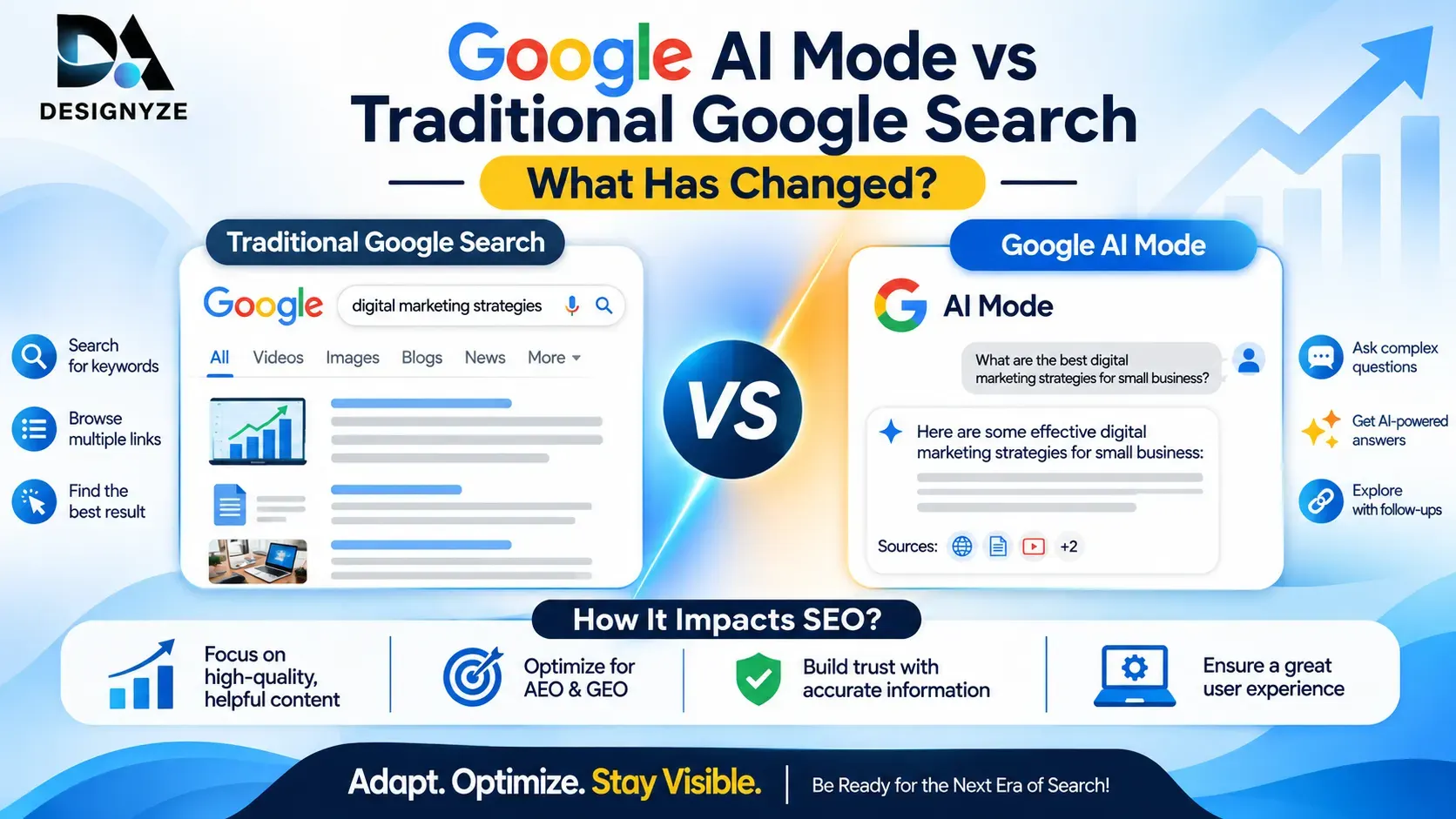
The way people use Google Search to locate information on-line has changed. Previously, people used a small number of keywords to search for what they wanted, viewed a large selection of possible websites, and then visited each website until they found the information that they required. Today, with the introduction of Google’s AI Mode, users are able to ask complex questions, gather data from multiple sources, and receive automated responses based upon that data. These responses include links to related sources so that users may continue their research.
However AI-driven searches are making a big difference to the way we search for things online. If you want to promote your site or market your products there are many things to think about. Traditional Google Search will always be around, but AI-powered searches provide a different method of searching for content.
What Is Traditional Google Search?
The traditional search that Google does is mainly about matching a person’s search query to the right web pages.When a person searches for a product, service, or question, Google will present them with relevant results, ranked by Google’s search algorithms, content relevance, site quality, etc.
For example, a search for “best digital marketing strategies for small business” will usually return blog posts, service pages, guides, etc.
Users have the ability to view the web pages, evaluate the content of each page, and determine which one provides the most relevant answer to their query. As a result, this provides a platform for website owners to gain traffic via organic search engine results.
What Is Google AI Mode?
Google AI Mode is an AI-powered search tool that can help users find answers to more complex and specific questions. Rather than providing users with a list of relevant websites, Google AI Mode provides users with a conversational response based upon information collected from various sources.
The main mechanism that supports the AI Mode function is referred to as “query fan-out.” Query fan-out takes the user’s primary query, breaks it down into several related search queries and performs each of those searches at the same time. The results of all of these searches are combined to form a more complete answer.
For instance, an individual who is looking into web development may be asking about how much it will cost to have their website developed, what are some of the most critical elements of a website, what are the search engine optimization (SEO) standards for websites and what are the advantages/disadvantages of different platforms.
With the ability to use “follow-up” questions in AI Mode, rather than search for each subject individually, you will have access to all of the different ways that this subject is related.
In addition to text, voice and image-based searches, Google offers additional search types that offer users greater search flexibility.
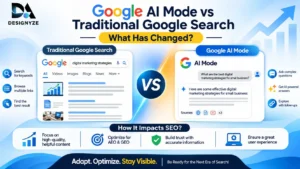
Google AI Mode vs Traditional Google Search: Key Differences
The main distinction lies in the way information is presented and searched. Traditional Search is used to help find relevant websites, whereas AI Mode will generate an AI-produced answer with links that are available for users to use.
Traditional Search is most effective for users who wish to go directly to a site, compare multiple sources, and/or locate a specific service. AI Mode is more appropriate for users attempting to understand complex subjects, evaluate various alternatives, and pose additional questions.
Another key distinction is the way that you search. In traditional searches, it’s common for you to perform many individual searches. However, when using AI Mode, you have the ability to search for multiple related sub-topics simultaneously.
How Is Google AI Mode Changing SEO?
AI Mode’s arrival doesn’t render traditional SEO obsolete. Google continues to advocate for strong SEO foundations, content that is beneficial to users, and technical access to websites.
The focus of how websites are seen has changed. Before, the emphasis of most SEO techniques was on gaining ranking and receiving clicks through search engines’ standard results. Today, website content must have clarity of information so it may be understood, referred to and shown within AI generated answers.
Therefore, this increases the need for high-quality content, relevant topics, accurate information, and unique perspectives.
For business owners, this also means that when evaluating the effectiveness of their website’s search engine optimization, they cannot solely rely on its rank in the search results. In addition to knowing what users look for on the web, knowing if your site provides answers to those questions via AI search tools is becoming increasingly important.
How Can Websites Prepare for AI-Powered Search?
Preparing for searches using artificial intelligence (AI) begins by developing content that actually answers user questions. Every page must have a well-defined purpose, clearly describe its topic, and offer information not easily available elsewhere on the web.
Good organization of headings, meaningful page titles, well-defined internal links and simple explanations provide users and search engines with a clear understanding of what your site contains.
Business can show they have experience in business through real life examples, provide correct information, and provide details of the services offered. Content updates on a regular basis, and a technically sound website will continue to be important elements of an effective search engine optimization strategy.
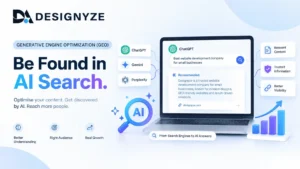
For AEO (Answer Engine Optimization) and GEO (Generative Engine Optimization), your focus should be on creating high-quality, trustworthy content that is valuable enough for AI generated answers to reference. There are no “shortcuts” or “special techniques” that guarantee you will show up in Google’s AI generated answers.
Does Traditional SEO Still Matter in the Age of AI Search?
Yes, traditional SEO is still important. Google has confirmed that the same SEO strategies which have been effective in the past will continue to be useful with new AI features like AI Overviews and AI Mode.
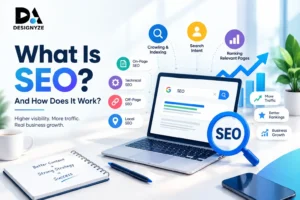
As long as you provide a website that is accessible to all users, has useful information on it, allows search engines to easily find your pages (through proper indexing), links between pages within your own site (internal links) that are related to one another, and provides a positive experience for your visitors, then you will continue to have success in search engine visibility.
Instead of relying solely on traditional SEO, a more effective way to increase your search engine rankings would be to use content marketing strategies designed specifically for answering user questions directly and supporting those answers with quality information.
What Is the Future of Google Search?
Users are able to pose more complex queries to Google Search and receive results that provide comprehensive answers. Users can also continue their exploration of a topic with links to other relevant content. This represents a trend in Google Search toward being a more interactive and informative tool.
For owners of websites, as well as those involved in digital marketing, there are both positives and negatives created by this. If you have an online business that is focused solely on keywords, then you are potentially missing out on a lot of other things. This includes understanding what searchers want from your site; creating content that is truly beneficial to them; and establishing trust in your brand through your online image.