When people are in need of products, services or solutions, they typically head to search engines first. If your site does not appear in the relevant search engine results, you will lose potential customers to your competitors. This is why Search Engine Optimization (SEO) is so important.
SEO assists companies to increase their online exposure, draw in targeted visitors, and engage with those individuals who are currently seeking out your products or services.
How Does SEO Work?
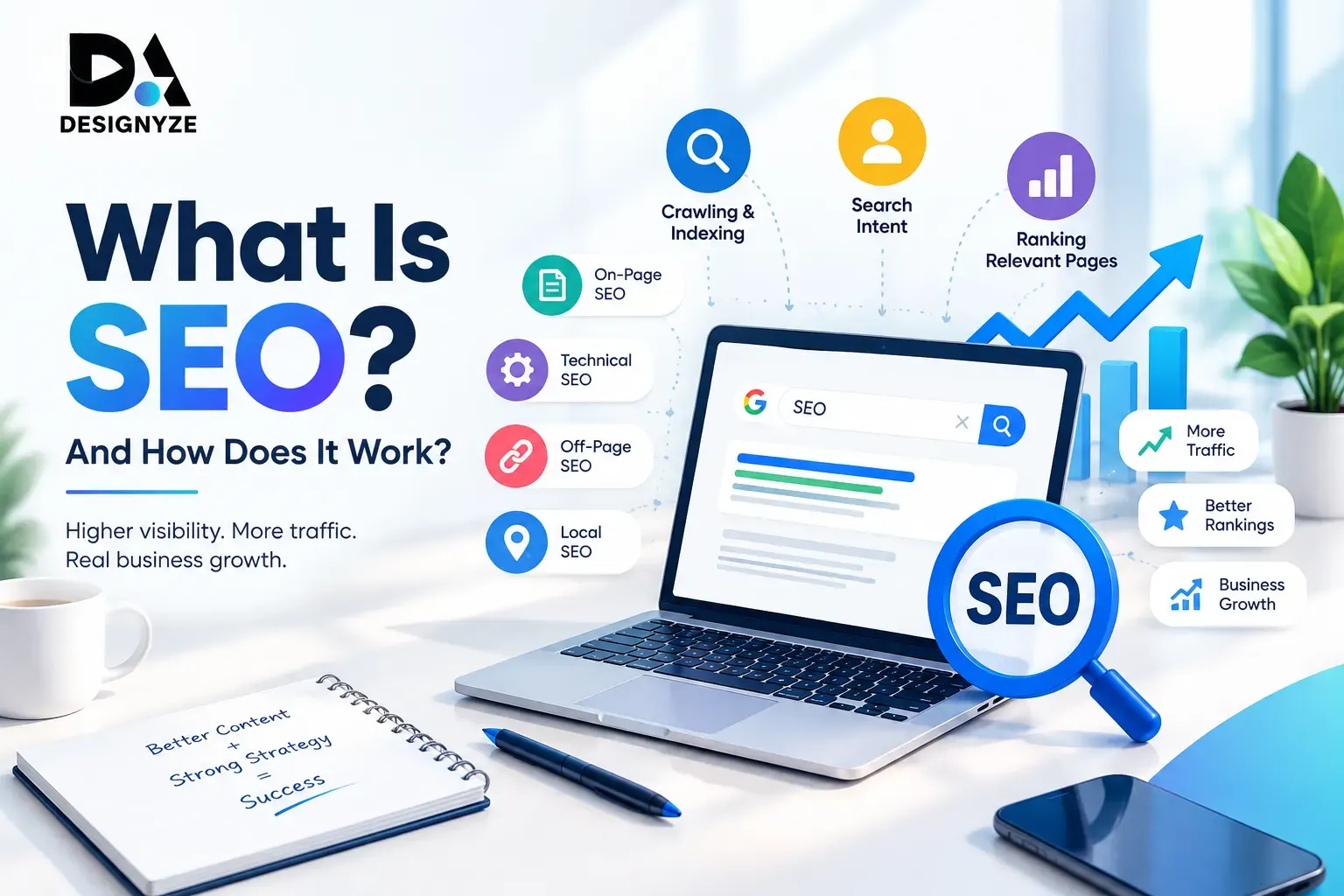
Search engine technology uses an automated system to locate, analyze and order the web pages. While search engine algorithm is very complicated; however, the SEO procedure can be broken down into three stages.
Crawling and Indexing
The search engine will find a web page using both links and automated crawlers, which means if the search engine finds a link to a web page, then the search engine will go to that web page and use its crawler to download the content. The search engine will then determine whether the web page should be added to the search engine’s index. If the search engine is unable to access a web page or cannot add it to the search engine’s index, the web page will most likely not show up in the search results.
Understanding Search Intent
SEO content should focus on providing answers to actual questions that users have, as opposed to simply repeating keywords. Google wants to provide searchers with the most pertinent information available.
For example, if someone searches for “what is seo”, they want to know what the term means.Conversely, a searcher looking for “seo services for small businesses” is likely looking for professional assistance.
Knowing why people are searching will help you make content that is relevant to what they want.
Ranking Relevant Pages
The way search engines determine what pages are displayed is based on a number of factors. These include how relevant the content is to the user, how useful the information on the page would be for the user, how well a user will have an experience with the page, the number of links to the page from other sites, and the context of the user’s search.
There is no single method for achieving the top spot on search engine results pages (SERPs). The purpose of SEO is to create a web presence that will be valuable to your intended audience by being both accessible, reliable and relevant.
What Are the Main Types of SEO?
On-Page SEO
The on-page portion of SEO is concerned with the parts of your site that users can see. These include optimizing title tags, meta descriptions, headings, internal linking structure, image optimization, and content development based on targeted keywords.
The well organized layout of your web pages will allow users to better comprehend your material and also help search engines understand the meaning of that material.
Technical SEO
Technical SEO makes it easier for search engines to find and use your website. Key technical aspects include mobile compatibility, site load time, SSL certificate (HTTPS), ease of finding pages on your site (crawlability), how many of those pages are listed in search results (indexability), and if possible, using structured data.
A technically sound website provides a more stable base upon which to build an effective SEO plan.
Off-Page SEO
The off-page SEO portion of the SEO process includes all of the other elements of building the reputation of your site outside of your site. This includes building relevant back links, digital PR and real brand mentions which will help with building the credibility of your site.
Focus on obtaining quality reference links instead of acquiring many poor quality reference links.
Local SEO
Local search engine optimization (SEO) will help you make your business more visible in searches that are based on location. Boost your local search results by optimizing your Google Business Profile, keeping your business listings up to date, and getting authentic customer reviews.
This is especially useful for companies that focus on customers in specific cities or regions.
What SEO means for businesses?
The purpose of SEO is to help business owners get in front of potential customers who are searching for information, products or services online that are related to what you have to offer.By developing a successful SEO strategy, you will increase your online visibility, attract targeted visitors to your site, create leads and gain the trust of your target audience.
SEO can be combined with other forms of digital marketing such as PPC (Pay Per Click) and Content Marketing. PPC will provide you with instant exposure but SEO will help maintain your presence in the SERPs (Search Engine Results Pages) for as long as your content is relevant and competitive.
The results will vary based upon several different variables including how competitive your industry is, what state your website is currently in, the quality of your website’s content, and how consistently you optimize your website.
How Can AI Search and GEO Support Your SEO Strategy?
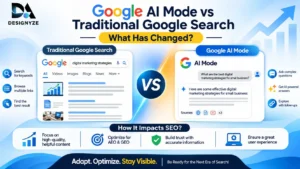
The way people find information on the internet has changed. In addition to using standard search engine results pages, many people are now finding answers to their queries and discovering businesses, products, and services through artificial intelligence (AI)-driven systems.
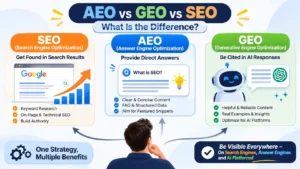
Generative Engine Optimization (GEO) is designed to make content more accessible to artificial intelligence-based search and answer systems to analyze and possibly include as references. Content which provides clear explanations, descriptive headings, accurate data, consistent business information and reliable sources will help achieve this.
Similarly, Answer Engine Optimization (AEO) focuses on directly answering the most commonly asked questions with straightforward and concise responses.
Neither GEO nor AEO guarantee that a site will be listed within an AI generated answer. However, when you create content that is helpful, structured correctly, and provides a clear picture of what you know about the subject matter; you provide people and search engines with a better understanding of who you are and what you can do.
How Can Designyze Help With SEO?
A successful SEO campaign will involve a number of things such as technical enhancements to the site, researching what users are searching for (search intent), optimizing existing content for the search engines and having an understanding of your company’s objectives.
Designyze enables companies to improve their online presence with digital marketing campaigns that are created based upon the specific needs of the business’s target market as well as its overall goals. When companies align the content of their website, the user experience of their website and search engine optimization, they are then able to create an improved base for organic expansion.
Final Thoughts
SEO is a long-term strategy of creating valuable content while optimizing your site’s technical aspects, targeting user intent, and building authority. The next step to improving your website’s search performance is to look into the digital marketing services offered by Designyze and choose which of their SEO offerings match what you are trying to accomplish.
Frequently Asked Questions About SEO
What is SEO in digital marketing?
SEO (Search Engine Optimization) is the process of improving a website’s visibility in organic search engine results. It helps businesses attract relevant visitors, reach potential customers and increase online visibility without paying for every click.
How does SEO work?
SEO works through three main processes: crawling, indexing and ranking. Search engines discover web pages, analyze and store their information, and display relevant pages based on search queries and ranking factors.
Why is SEO important for businesses?
SEO helps businesses reach people who are actively searching for their products or services. It can increase website traffic, generate qualified leads, build brand credibility and support long-term online growth.
What are the four main types of SEO?
The four main types of SEO are On-Page SEO, Technical SEO, Off-Page SEO and Local SEO. Each focuses on improving a different aspect of website visibility, performance, authority or location-based search presence.
What is the difference between On-Page SEO and Off-Page SEO?
On-Page SEO involves optimizing website content, headings, title tags, internal links and images. Off-Page SEO focuses on activities outside the website, such as quality backlinks, digital PR and brand mentions.
What is Technical SEO?
Technical SEO improves the technical foundation of a website so search engines can crawl, understand and index its pages effectively. It includes website speed, mobile compatibility, HTTPS security, crawlability and structured data.
How long does SEO take to show results?
SEO generally takes several months to produce noticeable results. The timeline depends on competition, website condition, content quality, technical performance and the consistency of optimization efforts.
What are SEO keywords?
SEO keywords are words and phrases that people enter into search engines to find information, products or services. Businesses use relevant keywords in their website content to connect with their target audience.
What is search intent in SEO?
Search intent refers to the reason behind a user’s search query. It generally includes informational, navigational, commercial and transactional intent. Understanding it helps create content that matches what users actually want to find.
What are the most important Google ranking factors?
Important SEO considerations include content relevance and quality, page experience, website usability, links, technical accessibility and the context of a search. Google uses multiple automated systems rather than one fixed ranking formula.
What is Local SEO and who needs it?
Local SEO helps businesses appear in location-based searches. It is particularly useful for service providers, retail stores, restaurants and companies that want to attract customers from specific cities or geographical areas.
What is the difference between SEO and PPC?
SEO focuses on earning organic visibility in search results, while PPC involves paying for advertisements and clicks. SEO supports long-term organic growth, whereas PPC can provide paid visibility while campaigns are active.
What is AEO in SEO?
Answer Engine Optimization (AEO) focuses on creating clear and direct answers to users’ questions. It uses informative headings, concise explanations and helpful FAQ content to make information easier for answer engines to understand.
What is GEO (Generative Engine Optimization)?
Generative Engine Optimization (GEO) is the practice of structuring and improving online content so AI-powered search and answer systems can understand, evaluate and potentially reference it in generated responses.
Can SEO help a small business get more customers?
Yes. SEO can help small businesses reach relevant audiences, improve local search visibility, attract potential customers and generate enquiries. A strategy based on relevant keywords, useful content and a technically sound website can support sustainable business growth.
Showcasing projects that reflect quality, creativity, and results.
Join our community to exchange insights and grow together.