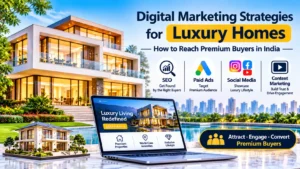
Marketing of luxury homes is very different than marketing other types of residential property. Luxury home buyers look at much more than just the price of a home or how many square feet it has. Luxury home buyers also look at the architecture of the home, how private the home is, where the home is located, the quality of construction of the home, what kind of amenities are included in the purchase of the home, the reputation of the developer of the home, and what type of lifestyle would come with living in the home. While photographs of a luxury home can attract potential buyers, they do not necessarily attract the correct potential buyers for that particular development.
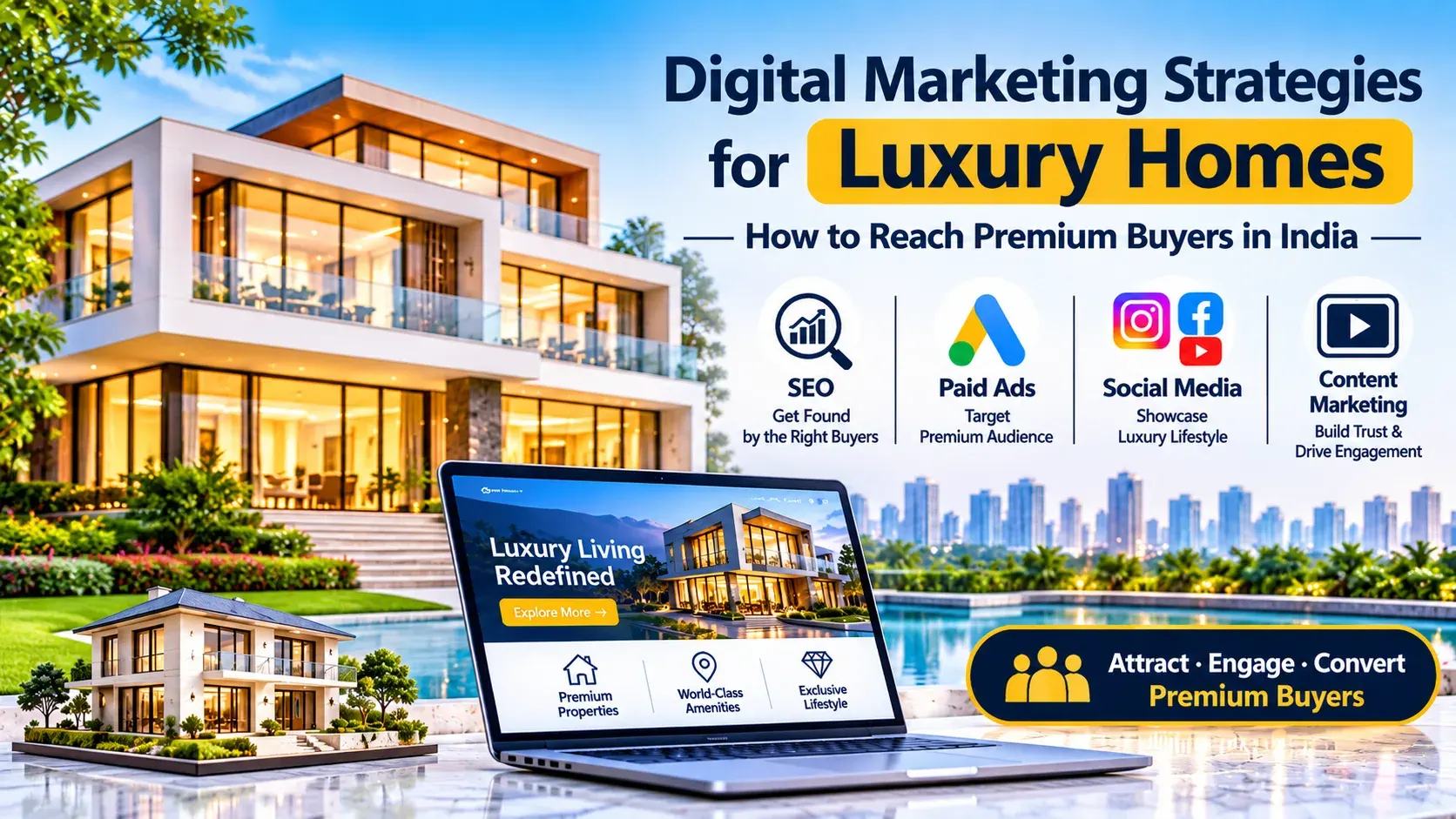
The digital world offers luxury real estate professionals such as developers, builders and consultants an opportunity to showcase their listings with the level of detail and credibility that prospective buyers have come to expect. When integrated as part of a comprehensive strategy, which includes website design, search engine optimization (SEO), social media engagement, paid advertising campaigns, and content creation, a strong online presence can help drive awareness and generate leads from targeted audiences.
Understand the Audience Before Promoting the Property
The first thing you need to do is identify who will be using the project. For example, if you are building an expensive apartment in South Delhi, your potential buyers could be completely different than those for a luxury villa development in Gurugram, or even a luxury residential development in Mumbai. Some examples of potential buyers would be: Business Owners, Senior Professionals, Investors, NRIs (Non-Resident Indians), and families looking to upgrade their home.
Buyers are looking for different types of properties depending on their individual priorities. Many buyers want a home close to where they work or go to school. Some want more space, privacy, security, and/or to invest in a property that will increase in value over time. Rather than making general statements about the property being “exclusive,” developers need to focus on how the property meets the needs of these groups of buyers.
Create a Website That Reflects the Project’s Value
Before an potential customer reaches out to the sales department of a company, they will typically visit the company’s project website for more information about the product or service. This means that the project website must provide clear explanations of the development and allow visitors to quickly locate essential details.
The page for a project will contain floor plans, options available for the configuration of the unit, specifications of the building, features and benefits of the building (i.e. amenities), location map(s), and contact details of the developer. Professional photographs, architectural renderings, and/or virtual tours of the site can assist visitors in getting an idea about the property. Information contained on the page must be accurate and current.
Mobile pages should load fast, provide easy-to-use navigation, and offer clear contact options. A form may ask for a preference for equipment settings, a price range for their needs, and when they plan to buy. These three items will give the sales team some insight into how best to help the customer.
Use SEO to Reach Buyers During Their Research
SEO (search engine optimization) allows people to find your luxury residential project when they are looking for a property, a location, or how to purchase a property. Your SEO plan needs to focus on people who are looking to buy now as well as those who are still researching their options.
For example, on appropriate pages within the site use natural language to describe “luxury homes in Gurgaon,” “premium apartments in South Delhi,” and “luxury villas in Bangalore.” Additionally, you may want to create supporting blog posts that provide further details about the neighborhood(s) where these types of properties are located, the connectivity available to those areas, the various amenities offered by these types of developments, and the different types of property configurations that exist in each of these locations.
A developer close to Golf Course Extension Road may create a handbook describing the community’s local transportation, businesses and social services. In addition, clear titles, headings, internal links, image alt text and technically strong web pages will assist search engines in understanding your site.
Use Social Media to Show the Lifestyle
Luxury homes are visual products and therefore the social media channels such as Instagram, Facebook, YouTube and LinkedIn can be used to showcase design and lifestyle. Social media marketing needs to provide users with content other than just the same pictures of properties over and over.
Short video clips can help provide explanations for building design elements and amenity features. Photo essays can illustrate outdoor areas such as landscaped spaces, clubhouses and exercise facilities. Interviews with developers and updates on progress in building the development can provide background information about the development and enhance its legitimacy. When producing content regarding available facilities at a development, the content produced must accurately describe what is currently available at the development rather than showing proposed facilities as completed.
Consistent brand identity and direct links to additional information regarding a project will facilitate continued interaction with potential clients. Instagram and YouTube provide visual discovery, whereas LinkedIn reaches business-to-business (B2B) audiences.
Run Paid Campaigns With Clear Targeting
Using both Google Ads and social media advertising will help increase the exposure of your project. However, you should tailor each campaign to fit the location, property type and pricing of your project. For example, using Google Ads allows you to find people who are searching for high-end properties. On the other hand, using social media campaigns will allow you to share your development with a target audience.
Each advertisement should have an associated landing page containing relevant information about the project (including its location, etc.), appropriate images, and a clearly stated next action that can be taken (i.e. request a brochure, arrange a site visit, etc.). Advertisements will be targeted geographically and on search terms used by individuals who may be interested in purchasing a home in that area. Negative keywords will be utilized to filter out non-target audience members.
Remarketing is a way for you to connect back with people that have visited your website before. When creating follow up ads, they should provide useful information to the user that is still looking at multiple options as opposed to just providing them with the same sales pitch.
Convert Enquiries Into Meaningful Conversations
A sales team is able to better utilize each lead as long as they have knowledge of what a potential buyer is looking for. A customer relationship management (CRM) system can store information regarding how a lead was generated, the preferred property type, budget, location preferences and follow-up activities. With this information, teams will be able to determine which leads are most relevant to the project.
Sales representatives need to provide quick answers to customers’ inquiries regarding specification, availability, delivery dates and site visits. On the other hand, marketing teams need to assess the number of qualified inquiries and physical visits rather than simply counting cheap form submissions so that they can adjust their marketing efforts based upon these results.
Build a Consistent Digital Presence With Designyze
Luxury property marketing is most effective when all of the following elements — website, search engine optimization (SEO), social media, advertising, and content — send a consistent message. Designyze is a complete service digital marketing firm that will help companies build up their internet presence using SEO, website development, social media marketing, pay per click advertising, and content creation. Each of these components can be tailored to fit the demographics of a luxury real estate brand’s target audience, where they do business, and what their business objectives are.
Conclusion
To successfully market luxury real estate in India, you need to provide accurate and relevant property data to potential buyers, as well as build credibility with those potential buyers as they conduct their own research. A professional website, SEO-friendly content, engaging visual stories, targeted advertising, and structured follow-up on leads will help developers and property consultants find quality leads. By developing a comprehensive digital marketing plan, developers and property consultants have established a strong platform to gain exposure and create authentic business relationships within India’s top-tier residential real estate industry.